The Art of Precision in Custom Plastic Injection Molding Services
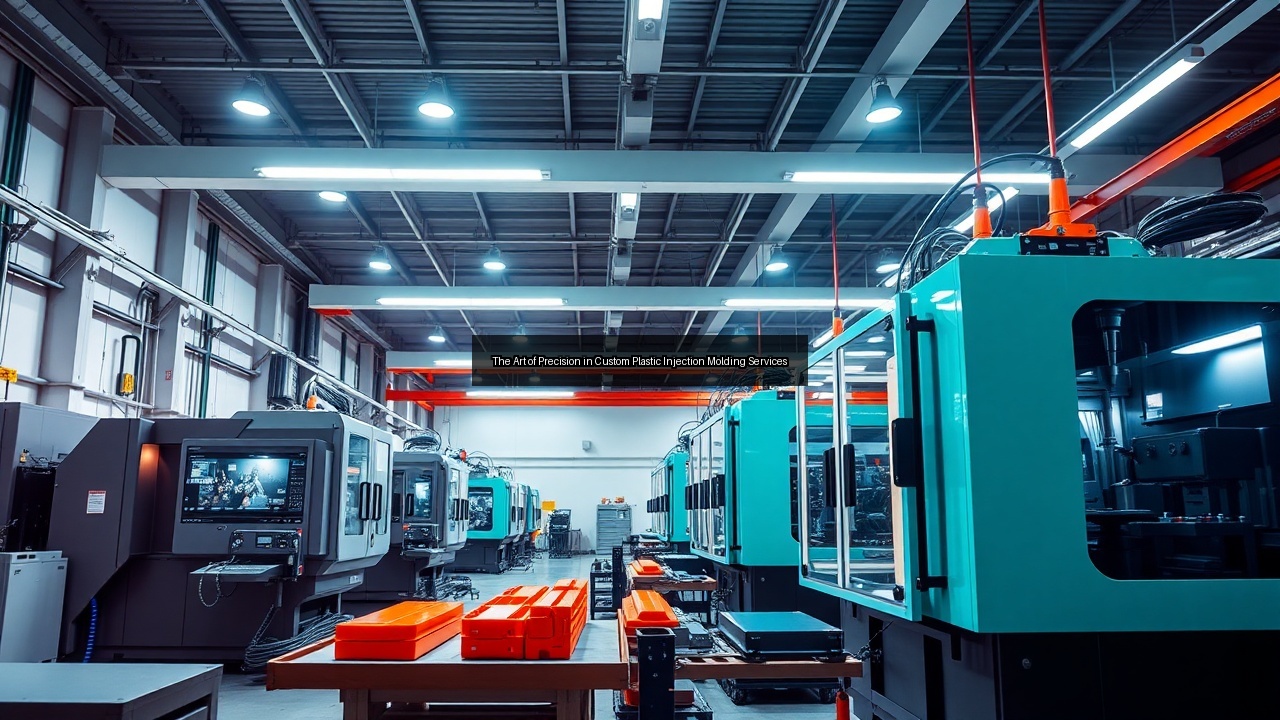
Understanding the Fundamentals of Plastic Injection Molding
What is Plastic Injection Molding?
Plastic injection molding is a manufacturing process used to produce parts by injecting molten plastic into a mold. This technique allows for high-volume production of complex geometries with precision and consistency. The process begins with raw plastic materials, which are heated until they melt and become pliable. The molten plastic is then injected into a mold cavity, where it cools and solidifies into the final product. This method offers manufacturers the ability to create intricate designs while maintaining tight tolerances, making it a preferred choice for various industries, including automotive, consumer goods, and electronics.
The Injection Molding Process Explained
The injection molding process consists of several key stages: material preparation, injection, cooling, and ejection. Initially, plastic pellets are fed into a hopper, where they are heated to a specific temperature. Once the plastic reaches a molten state, it is injected into a precisely crafted mold under high pressure. The mold is then cooled, allowing the plastic to harden. After cooling, the mold opens, and the newly formed injection-molded part is ejected. This process is highly efficient, enabling rapid production cycles and reducing waste, which is crucial for maintaining a competitive edge in manufacturing.
Types of Injection Molding Techniques
Several techniques exist within the realm of plastic injection molding, each tailored to specific applications and requirements. Standard injection molding is the most common method, ideal for producing large quantities of identical parts. Two-shot injection molding, on the other hand, involves injecting two different materials into a single mold to create multi-material components with enhanced functionality. Other methods include gas-assisted injection molding, which reduces material usage while maintaining part integrity, and structural foam molding, which produces lightweight parts by creating a foam core. Each technique offers unique advantages, allowing manufacturers to choose the best method for their specific needs.
Key Features of Custom Plastic Injection Molding Services
Benefits of Custom Solutions in Injection Molding
Custom plastic injection molding services provide significant advantages over standard solutions. Manufacturers can tailor designs to meet specific requirements, ensuring that each product fulfills its intended function while adhering to required specifications. Custom solutions allow for flexibility in design, enabling the incorporation of unique features that can differentiate products in a competitive market. Additionally, working with a skilled custom plastic injection molding company ensures access to advanced technologies and expertise, leading to improved product quality and reduced time-to-market. Customization also supports efficient scaling, allowing manufacturers to adjust production volumes as needed.
Exploring Two-Shot Injection Molding
Two-shot injection molding is a specialized technique that enables the production of complex parts from two different materials within a single cycle. This method allows for the combination of various characteristics, such as hard and soft plastics, to create parts that possess unique qualities not achievable through single-material injection molding. For instance, a consumer electronics component might utilize a rigid plastic for structural support while integrating a softer rubber-like material for enhanced grip. The efficiency of two-shot molding minimizes assembly time and reduces the potential for defects, ultimately lowering production costs and improving overall quality.
Quality Control in Injection-Molded Products
Ensuring quality in injection-molded products requires rigorous quality control measures throughout the manufacturing process. Manufacturers often implement systematic inspections at various stages, from material selection to the final product. Techniques such as dimensional inspection, visual examination, and functional testing help identify potential issues early, allowing for adjustments before mass production. Advanced technologies, including automated inspection systems, can further enhance quality control by providing real-time data on product specifications. A reliable plastic injection molding manufacturer prioritizes quality, employing industry standards and certifications to guarantee the integrity of their products and satisfy customer expectations.
Choosing the Right Plastic Injection Molding Manufacturer
Criteria for Selecting a Custom Plastic Injection Molding Company
Selecting the right custom plastic injection molding company is critical to the success of any project. Key criteria include the manufacturer's experience and expertise, production capabilities, and technology used. A manufacturer with a proven track record in the industry will understand the nuances of various injection molding techniques and materials. Additionally, evaluating the company's ability to scale production and meet deadlines ensures reliability. Certifications such as ISO compliance indicate adherence to quality management standards, which further bolsters confidence in their capabilities. Ultimately, a thorough assessment of these factors leads to a partnership that aligns with project goals and expectations.
Top Plastic Injection Molding Companies to Consider
Numerous plastic injection molding manufacturers offer exceptional services and capabilities. Companies like Nicolet Plastics stand out due to their extensive experience and commitment to quality. Their use of advanced technologies and commitment to sustainable practices sets them apart in the industry. Other notable manufacturers include Protolabs, known for their rapid prototyping services, and EVCO Plastics, which specializes in custom solutions for a wide range of applications. Conducting thorough research and comparing offerings from these companies enables businesses to select a partner that meets specific needs while ensuring quality and efficiency in production.
Evaluating Plastic Injection Molding Suppliers
When evaluating plastic injection molding suppliers, consider factors such as their production capabilities, lead times, and customer service. Engage in discussions about their manufacturing processes and technologies to ensure they align with project requirements. Request samples of previous work to assess the quality and precision of their injection-molded products. Additionally, consider their responsiveness to inquiries and willingness to collaborate on design challenges. Establishing a solid relationship with a reliable supplier fosters communication and transparency, ultimately leading to successful project outcomes. A thorough evaluation process safeguards the integrity of the final product and enhances overall satisfaction.
Future Trends in Injection Molding and Manufacturing
Innovations in Plastics Injection Molding
Innovations in plastics injection molding continue to reshape the manufacturing landscape. Advances in materials science have introduced new polymers that offer enhanced properties, such as increased strength and reduced weight. These innovations enable manufacturers to push the boundaries of design and functionality. Moreover, the development of smart injection molds equipped with sensors allows for real-time monitoring of the injection molding process, ensuring optimal conditions and minimizing defects. Such technological advancements drive efficiency and reduce costs, positioning manufacturers to remain competitive in a rapidly evolving marketplace.
The Role of Automation in Injection Molding
Automation plays a crucial role in modern injection molding processes. Automated systems enhance efficiency by streamlining operations, reducing the risk of human error, and enabling consistent quality. Robotics can manage tasks such as material handling, mold changes, and packaging, allowing human operators to focus on more complex responsibilities. Automated data collection and analysis also provide insights into production performance, facilitating continuous improvement. As manufacturers embrace automation, they achieve higher production rates and lower labor costs, ultimately enhancing their competitiveness in the global market.
Sustainable Practices in Plastic Manufacturing
Sustainability has become a prominent focus in plastic manufacturing, prompting injection molding companies to adopt eco-friendly practices. Manufacturers increasingly turn to recycled materials and sustainable polymers to reduce environmental impact. Innovations such as bio-based plastics and energy-efficient machinery further support sustainable initiatives. Additionally, implementing waste reduction strategies and recycling programs helps minimize the carbon footprint associated with production. By prioritizing sustainability, manufacturers not only comply with regulatory requirements but also meet growing consumer demand for environmentally responsible products.